Ministry of Agriculture says efforts to boost agricultural productivity are being hampered by low access to quality seed as just 40 percent of farmers use certified seed.
The ministry’s director of extension services Pearson Soko told a National Dialogue on Seed and Market Systems organised by Total Land Care and the Transform Programme in Dowa yesterday that the low uptake of certified seed by farmers was due to low production and high cost of seed.

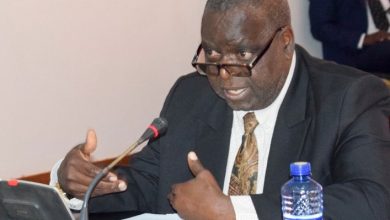
farmers’ needs . | George Singini
He said government is trying its best to promote the use of certified seed among farmers, but such efforts are hindered by low capacity of seed producing companies.
Said Soko: “The companies are not producing enough to meet the demand; hence, farmers are mostly using uncertified seed. Seed is a private sector driven commodity, but when the seed is scarce, people will flock to the Ministry of Agriculture to say where is the seed?
“There are some companies that are producing seed outside the country, but we are saying the best is to produce seed here and make it available.”
He has since called on seed producers in the country to scale up output.
In his remarks, Seed Traders Association of Malawi business development officer Supply Chisi said producers have the potential to make over 40 000 metric tonnes (MT), but are currently producing around 18 000MT based on the market assessment in terms of absorption.
“Last season, because of drought, there were about 10 000MT of certified seed. That is why there was that shortage. For the coming season, we will make available about 19 000MT, which is enough to meet the existing demand,” he said.
Norwegian ChurchAid (NCA) and DanChurch (NCA-DCA) country director Stefan Jansen said for smallholder farmers to become successful entrepreneurs, government needs to address policy issues.
A Dowa-based farmer Margret Kalama, who attended the meeting, said counterfeit seeds are also heavily affecting farmers.
Malawi is an agro-based economy, but crop production has been decreasing over the years due to various factors, including climate-induced shocks.